“No”, a word you suprisingly say very often
Different ways you could be sabotaging conversations
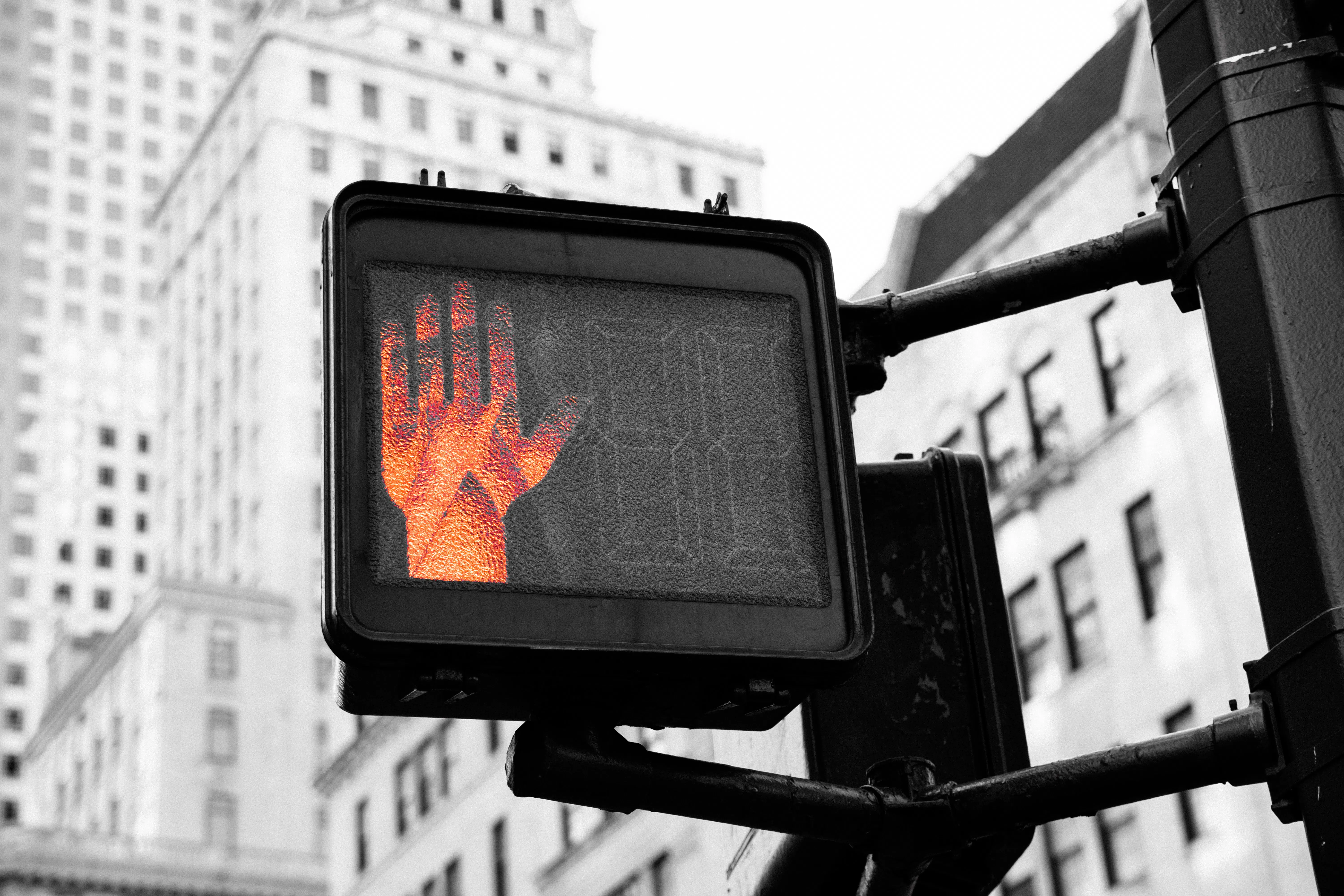
Too many times I’ve caught myself utter this simple response, whether in conversation or a formal discussion, just to assert some sort of dominance. Time and again I reflect on it and notice that this reflex carries an effect that subtly change people.
Saying “no” is something that’s not inherently bad but it does have a good way of revealing what sort of values you hold as a person.
Do you fall into this trap? Why is it so easy to respond with? Let’s examine the different ways of rebutting with a “no”:
Laziness
We’ve been conditioned to have everything we want, as fast as possible, with the least amount of work needed. This is a bad mindset to fall into, especially in conversations. Laziness will ensure that you won’t even consider the other person’s point of view, and establish that you dont need to.
What you need to do is to fight this laziness, and think. Use your rational mind to understand what the other person is saying, what the motivations behind it are, why they have that stance. Once you do, it will make your response more valuable to them.
Practice Active Listening. Understand and question what the other person is trying to say.
Prejudice
“No” is a legitimate response to a misplaced judgement we have against the idea or the person. Most of the time, it’s the person. As humans, we have preferences that we lean towards to, and this greatly affects how we decide and how we respond to certain conversations.
Remember to be objective. As rational human beings, what we seek is truth. Our judgements of ideas or people must never hinder our intention to understand.
Defense Mechanism
We don’t want to feel hurt, but to some people, this is their form of communication. They need to feel superior in all ways. This is something that is outside of our control. What is in our control however, is our response.
We do not need to defend our ego. We do not need to one-up one another. Remember that we are all in this earth to help one another.
Wrong, Just Plain Wrong
Yes, It’s possible that the other person is just plain wrong. But let’s ask ourselves if “No” is the immediate response to what they are saying.
A well placed pause can give you the time to step back and evaluate why you think it’s wrong or if you are misplacing judgement towards the idea or the person.
Make sure you respond with why you think the person is wrong without attacking their identity. Focus on the topic, and not the person.
Yes, and…
The “Yes, and…” is a rule-of-thumb in improv comedy where a participant should accept what the other participant has started with and expand on the idea. It’s a really good rule to live by when having conversations as it will immediately suspend any judgement you have towards the person or the idea.
In meetings, you will notice that people will be more engaged as they are encouraged to participate and know that there is clear communication with you and them. Saying “yes” after a person sharing their point of view will signal everyone in the room to cooperate.
That’s right, one wonderful way of responding is by replacing your “NO” with a “Yes, and…” and you’ll immediately see that difference in the conversation you are having. This mindset will force you to think of whether you should really be saying No, or just being defensive, or lazy.
So the next time you are in a conversation and you have the urge to say No; stop, think, and say “Yes! and…”